

Richard Eaton
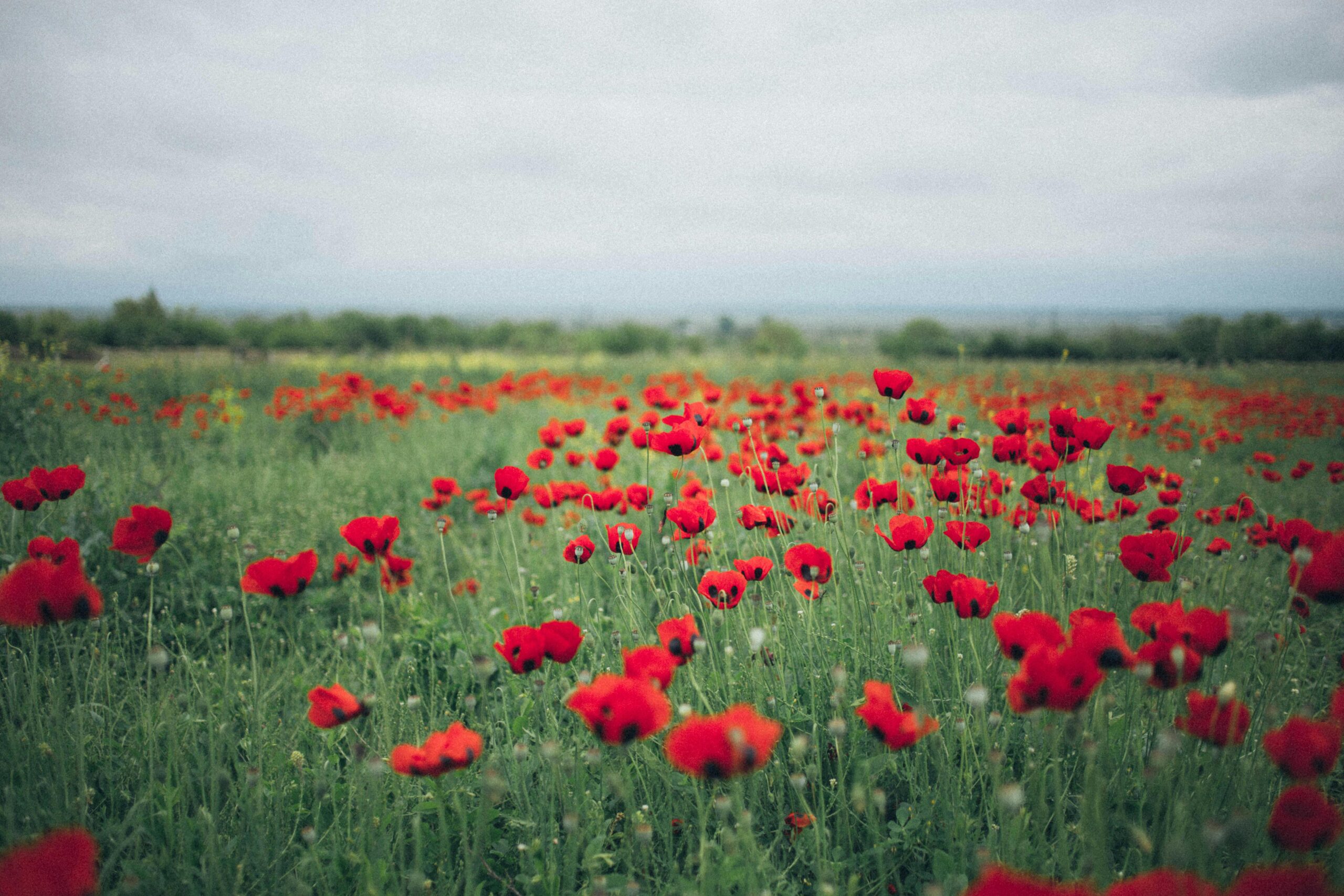
As a war veteran, I often encounter the same question each November: What do veterans actually remember on Remembrance Day? The answer, though deeply personal, might surprise you.
Remembrance Day falls on November 11th each year. At the 11th hour, we are invited to pause in silence, to reflect, to honour, and to remember. Before I served, I often wondered what went through the minds of those who had. Did they recall fallen comrades, or the enemies who took their lives? Did they relive moments of fear, exhaustion, or fleeting triumph? I now understand that memories are as varied and complex as war itself.
The Obvious Memories
War is vast, chaotic, and impossible for any one person to fully comprehend. Like survivors of any traumatic event, each participant’s story is unique, shaped by perspective, role, and luck. The only certainty lies in what we each experienced personally, and even those memories can blur with time.
I remember where I was, and what I was doing, during every phase of my career as an infantry officer leading paratroopers and marines against some of the world’s most capable terrorists. I remember the loss of a respected sergeant, a veteran of the Falklands War, killed by a remotely detonated bomb. The same fate claimed a search dog and his handler. I remember the solemn duty of reporting casualties over the radio, and the moment I met a young widow upon our return.
I remember a blast door slamming into my head as I sprinted to the operations room during a mortar attack. I remember the relentless patrols through hostile cities and desolate countryside; each step weighted with the knowledge that we were hated, and often told so, even by children. Above all, I remember the crushing sense of responsibility for my soldiers and the constant fear that one misjudgment might cost lives.
These are the obvious memories, the ones most people expect.
The Not So Obvious Memories
However, there are other memories as well, memories of resilience, courage, and accomplishment.
We were young, determined, and effective. We executed hundreds of searches and uncovered caches of explosives and weapons that could have taken countless lives. We faced down violent mobs intent on destruction and protected communities that might otherwise have been lost. One of our men even rescued an elderly woman from a burning building while under attack.
We learned to outthink and outmaneuver an enemy who studied our every move. Strategy, adaptability, and professionalism were our lifelines. We moved through hundreds of miles of city, farmland, and marsh, unseen yet ever present; arresting, protecting, deterring, and reassuring.
And most of us were barely out of our teens. At twenty-one, I was considered “old.” My soldiers awed me with their toughness, intelligence, and unwavering humour in the face of danger. Despite our different backgrounds, we forged a unity built on trust, discipline, and shared purpose. I remain deeply honoured to have led them, and profoundly grateful that none of those under my command were lost.
So, on November 11th…
So, when the nation falls silent on Remembrance Day, I will think of all of this: the loss and the laughter, the fear and the pride. I’ll think of the people I served alongside; those who came home, and those who didn’t. And, inevitably, I’ll think of myself, the person I was before, during, and after. Those versions of me are not quite the same.
As war veterans, our memories are not only of conflict, but of transformation. We carry them not as burdens, but as reminders of what service, sacrifice, and leadership truly mean.
John Maxwell Edmonds once wrote of the fallen:
“When you go home, tell them of us and say,
For your tomorrow, we gave our today.”
And Rudyard Kipling captured the subtle change that service brings to one’s view of the world:
“All good people agree,
And all good people say,
All nice people, like Us, are We,
And everyone else is They:
But if you cross over the sea,
Instead of over the way,
You may end by (think of it!) looking on We
As only a sort of They!”
On November 11th, I will remember not just what was lost, but what was learned, and those who stood beside me through it all.